The LiveStatus blog
Deep dives on status pages, incident response, and the engineering behind LiveStatus. Written by Andrew and the team.
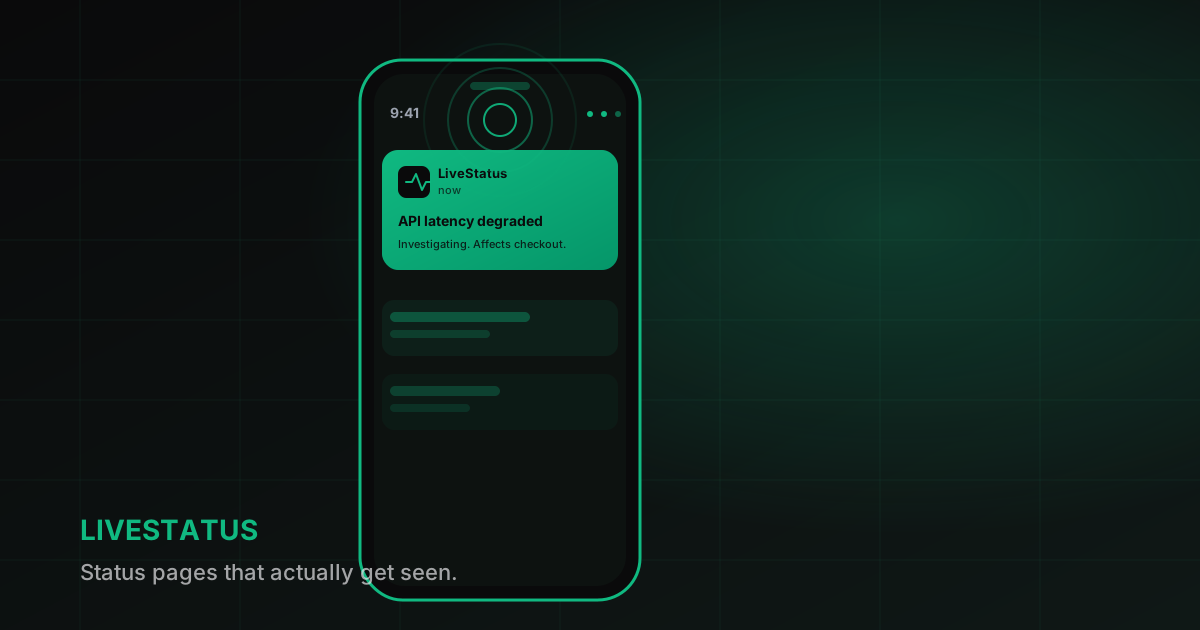
Why we built a mobile app for status pages
Email alerts go to spam. People check their phones. Here's why LiveStatus ships a native mobile app and why no one else does.
The Best BetterStack Alternative in 2026: LiveStatus
Looking for a BetterStack or Statuspage alternative? LiveStatus gives you beautiful status pages and uptime monitoring without the enterprise price tag.
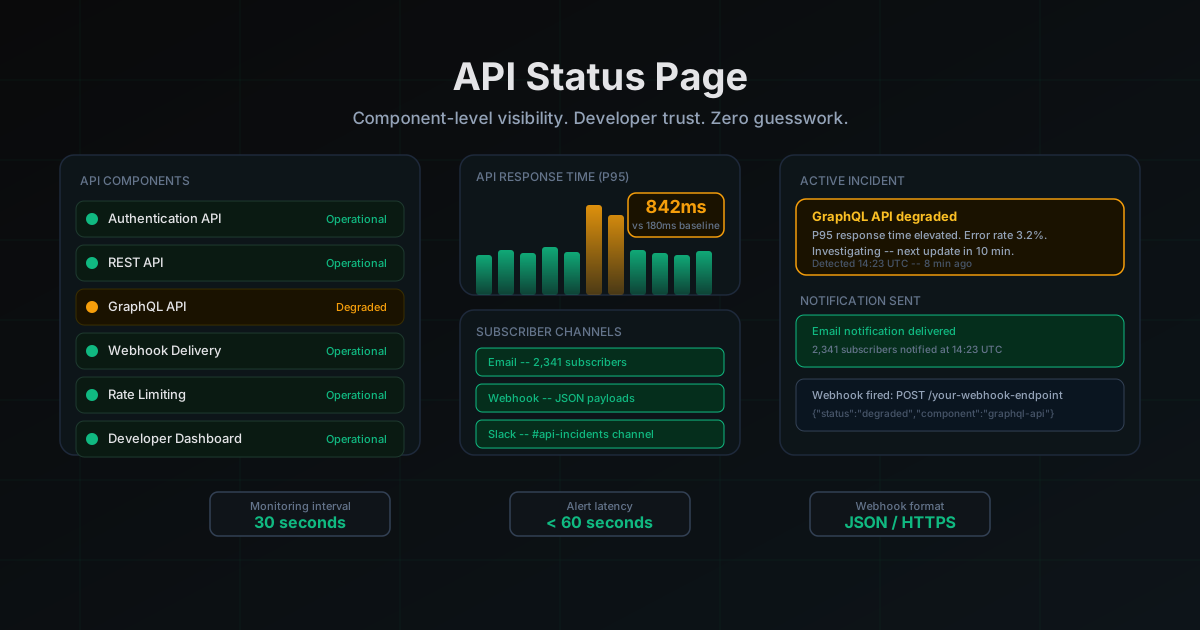
Why Every API Provider Needs a Status Page
API providers without a status page are leaving developer trust on the table. Here's what a proper API status page does, what it covers, and why it reduces your support load while your incidents are still in progress.
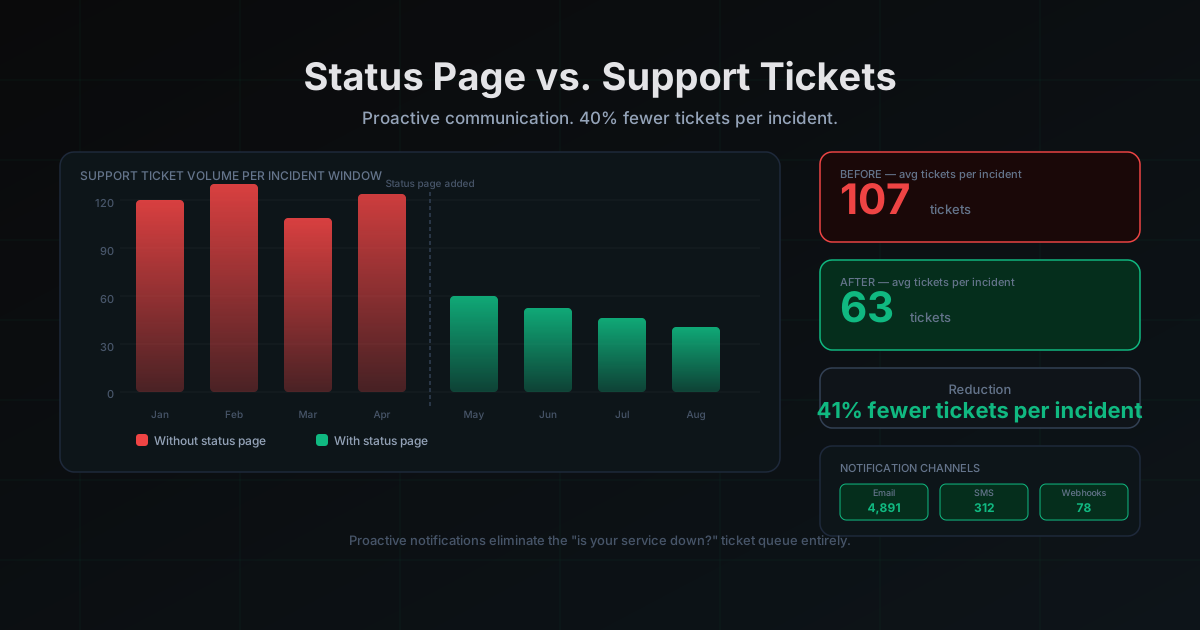
How a Status Page Cuts Support Tickets by 40%
The math behind how a status page reduces support ticket volume during incidents. Email subscribers, SMS alerts, proactive communication, and why the ROI shows up in your support metrics within the first incident.
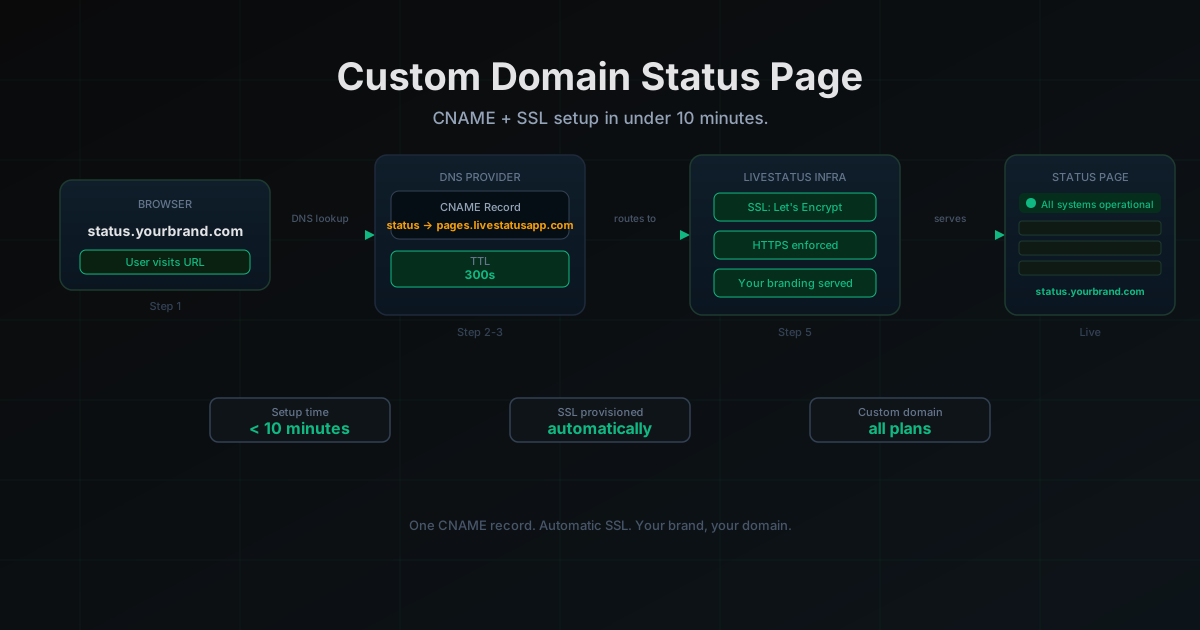
How to Set Up a Custom Domain for Your Status Page
Step-by-step guide to setting up a custom domain for your status page. Why it matters, how to configure CNAME and SSL, and LiveStatus-specific instructions that get you live in under 10 minutes.
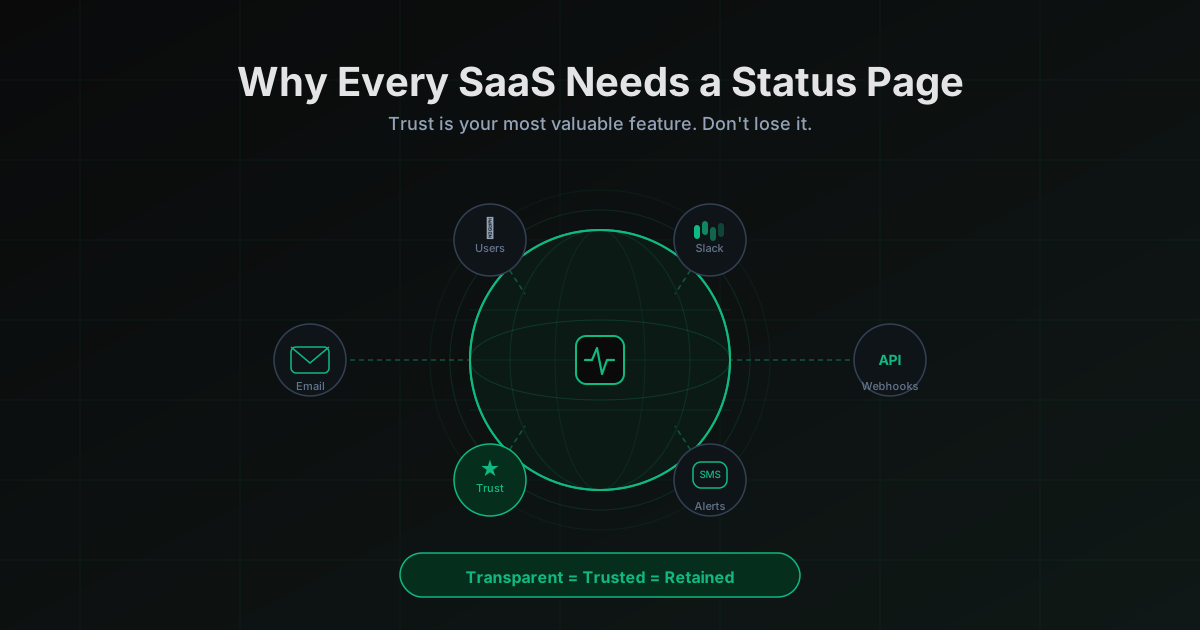
Why Your SaaS Needs a Status Page (and What Happens Without One)
Every SaaS goes down eventually. A status page cuts support tickets, builds trust, and turns incidents into proof you take reliability seriously.
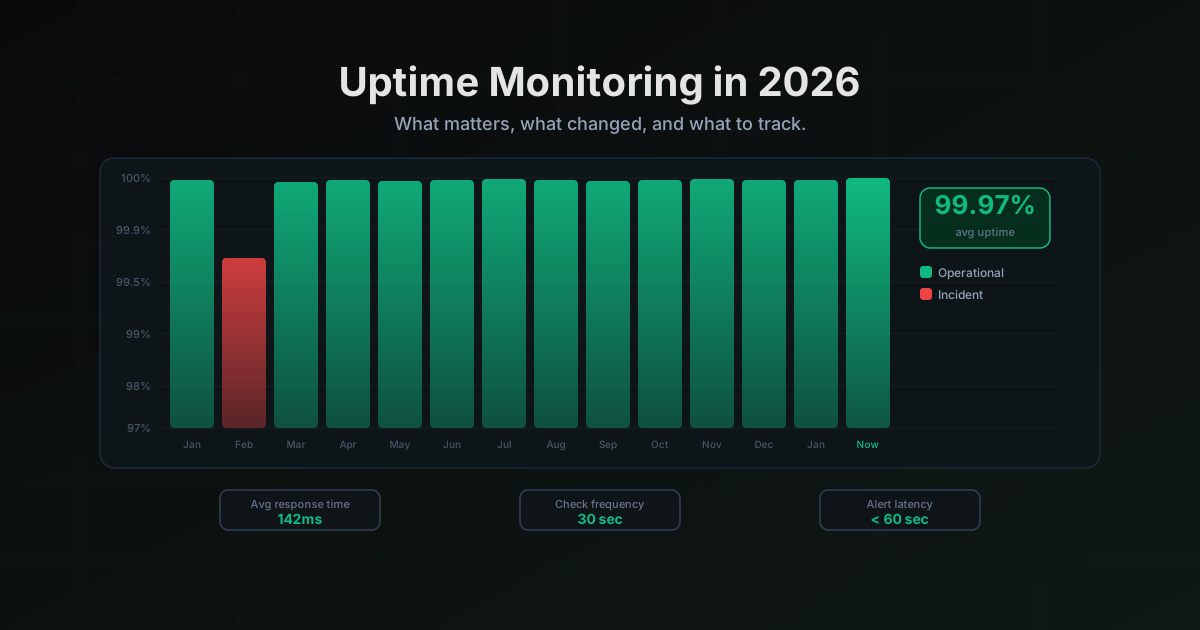
Uptime Monitoring in 2026: What Every DevOps Team Should Track
The essential uptime monitoring metrics every DevOps team should track in 2026, from TTFB and error rates to SSL expiry and DNS resolution, plus practical alerting thresholds.
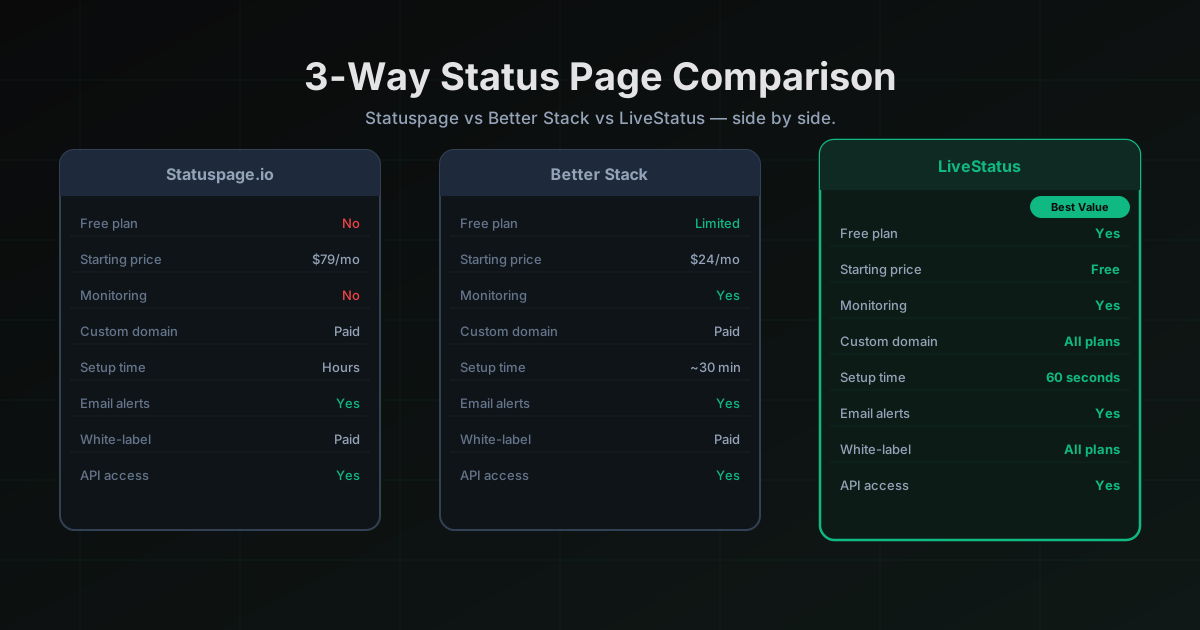
Statuspage vs BetterStack vs LiveStatus: Which Status Page Tool Should You Choose in 2026?
A detailed comparison of Statuspage.io, Better Stack, and LiveStatus across pricing, features, mobile support, monitoring, UX, and setup time. Find the right status page tool for your team in 2026.

Status Page Design: What Your Users Actually Want
What users actually want from a status page: clean layout, mobile-first design, real-time updates, honest communication, and fast load times under one second.
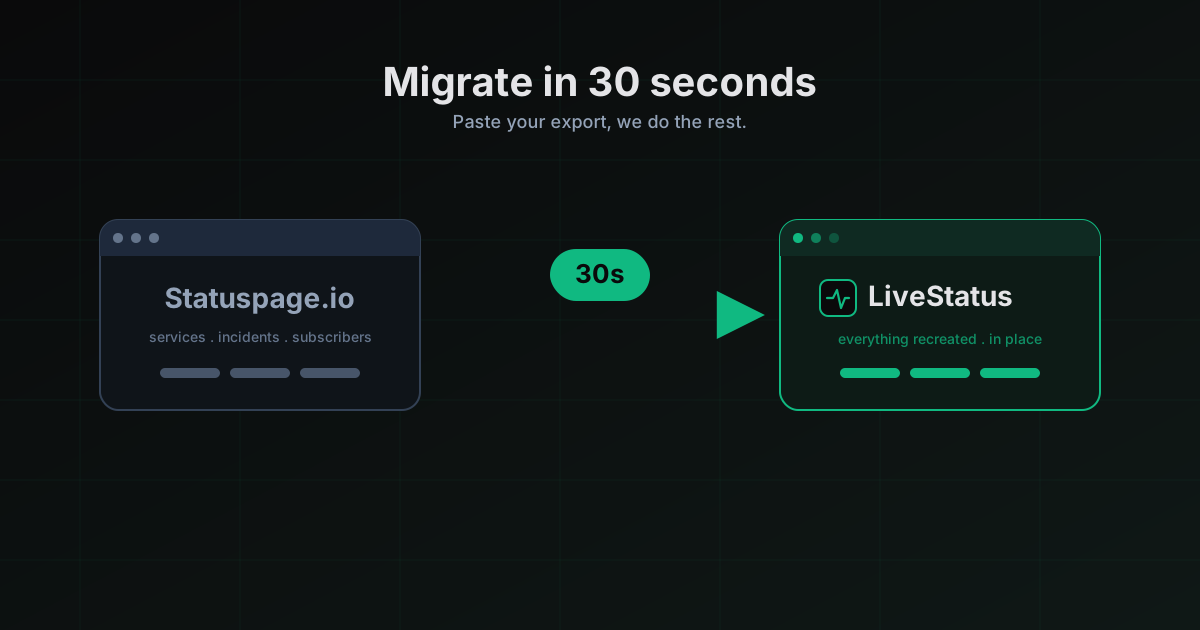
Migrating from Statuspage.io in 30 seconds
A walkthrough of the LiveStatus import flow. Paste your Statuspage export, keep your services, incidents, and subscribers. Done before your coffee cools.
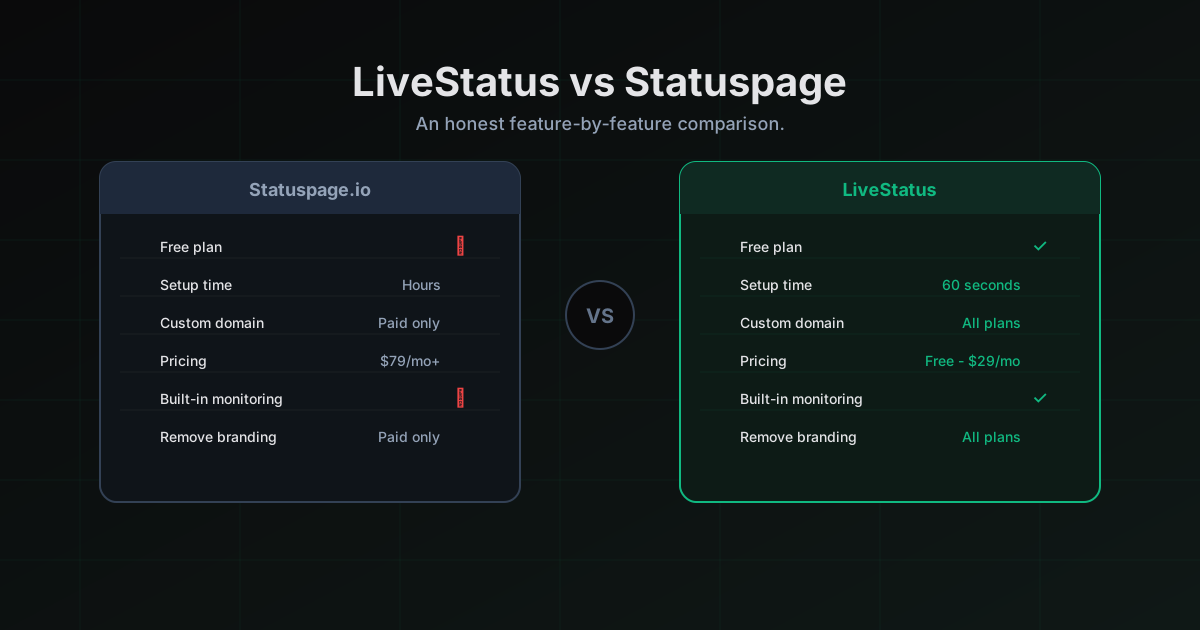
LiveStatus vs Statuspage.io: An Honest Comparison (2026)
An honest comparison of LiveStatus and Statuspage.io covering pricing, features, and trade-offs. Find out which status page tool fits your team.
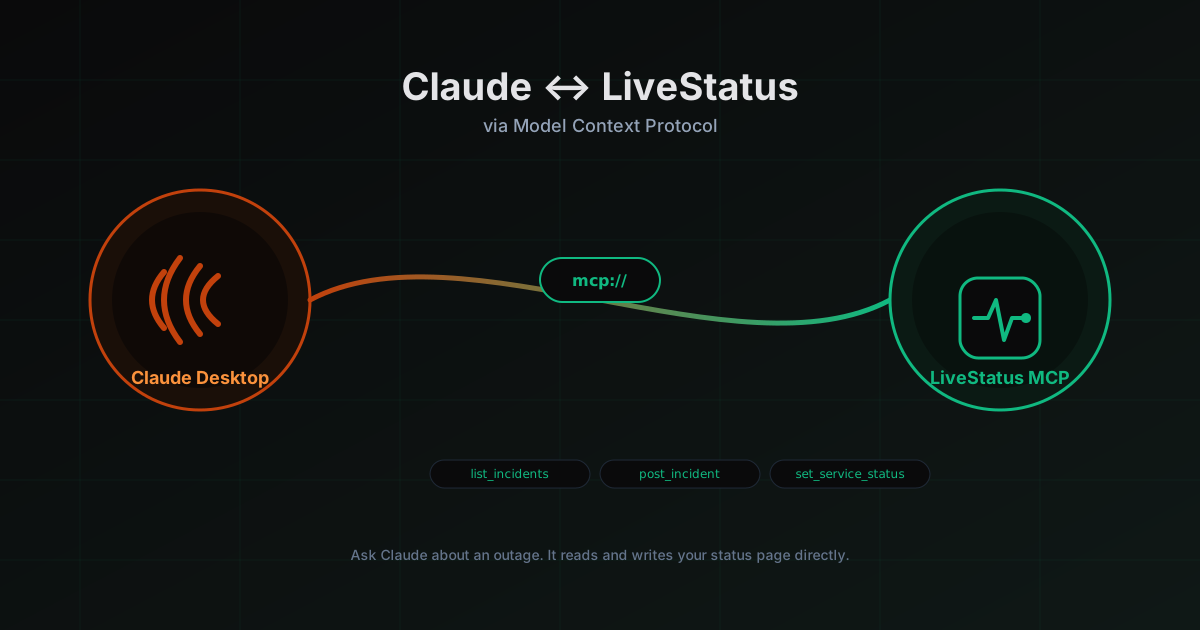
Building with MCP: plugging LiveStatus into Claude Desktop
How we built an MCP server for LiveStatus so you can manage your status page from Claude Desktop. What MCP actually is, the tools we expose, and the honest limits of the beta.
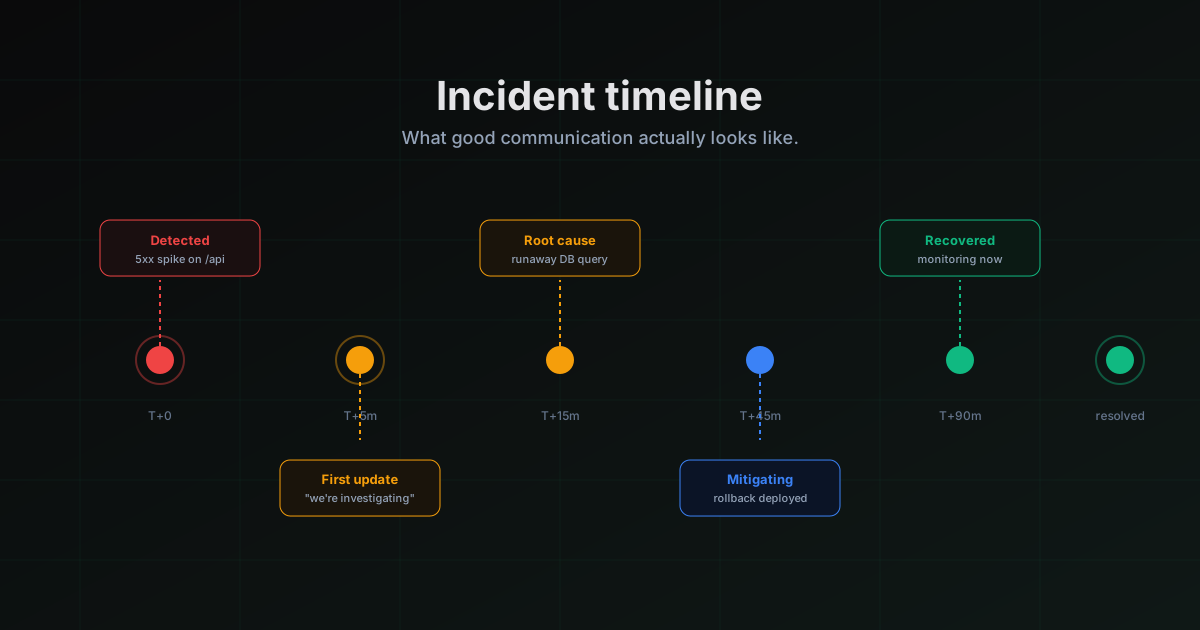
What 500 errors teach you about incident communication
Silence is the worst outage response. Here's the 5-minute rule, the severity vs impact split, and how to write updates that don't read like a legal document.
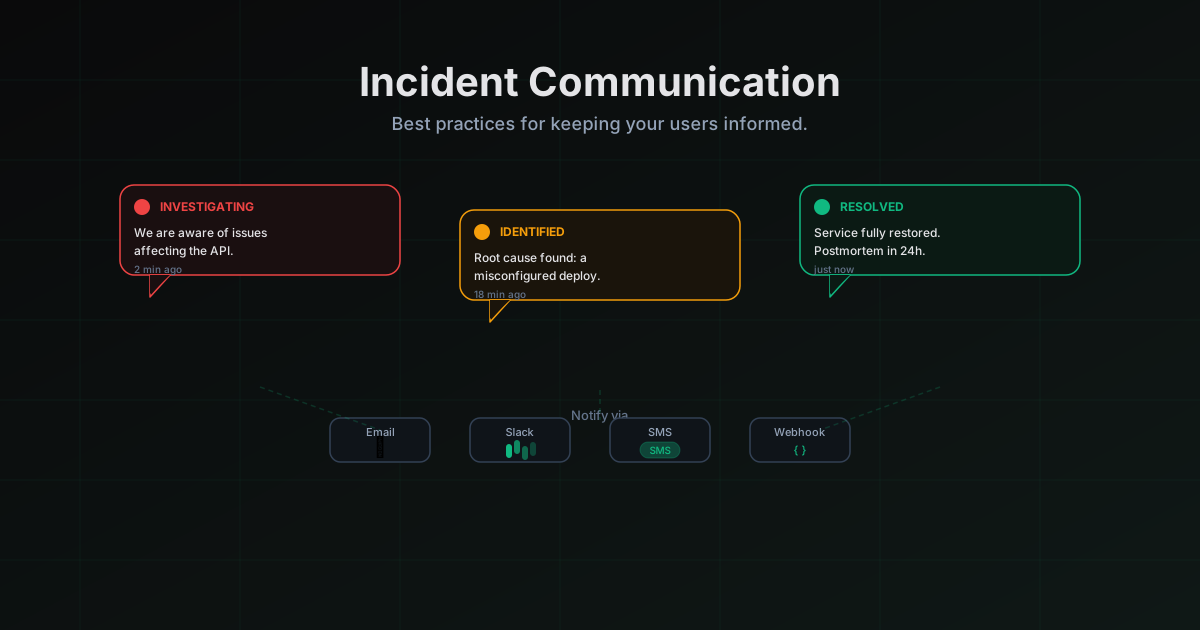
10 Best Practices for Incident Communication
Practical incident communication best practices that reduce support load, build trust, and turn outages into proof your team has its act together.
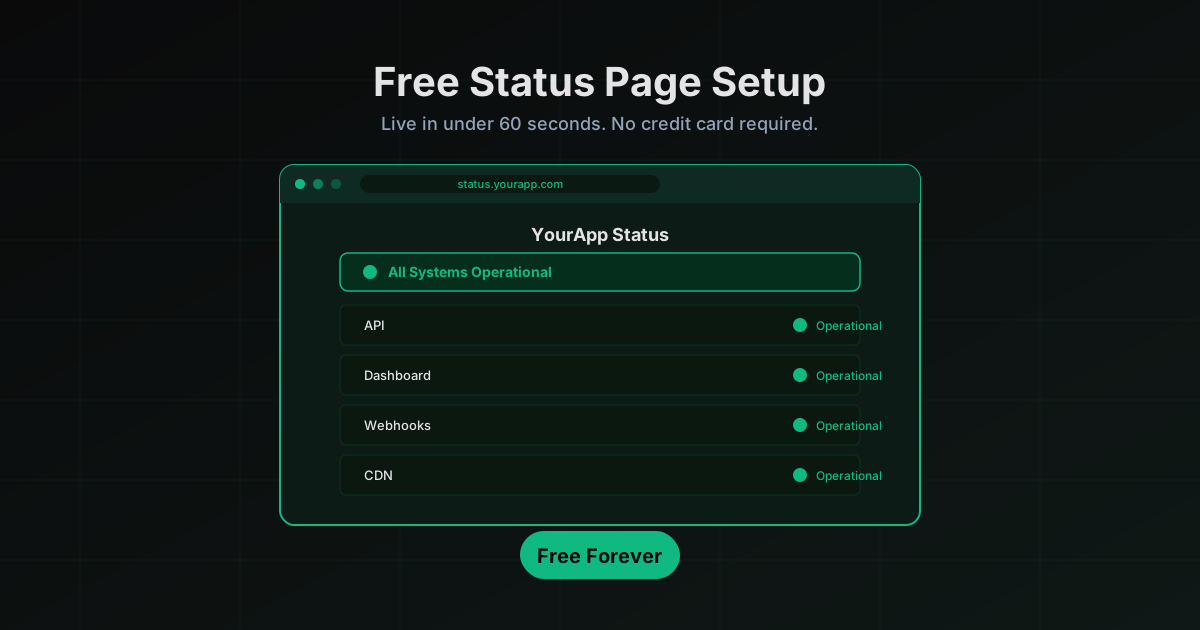
How to Set Up a Free Status Page in 5 Minutes
Create a free status page with uptime monitoring in under 5 minutes. Step-by-step guide to setting up LiveStatus for your app or API.
Get new posts in your inbox
Writing on status pages, incident response, and building a small SaaS in public. One email when there's something worth reading. No tracking, no drip sequences.